In Memory of Marjorie Smith
January 14, 1937 - April 21, 2026
Marjorie Smith didn’t just talk about preparedness—she lived it, carried it, and made sure everyone around her did too.
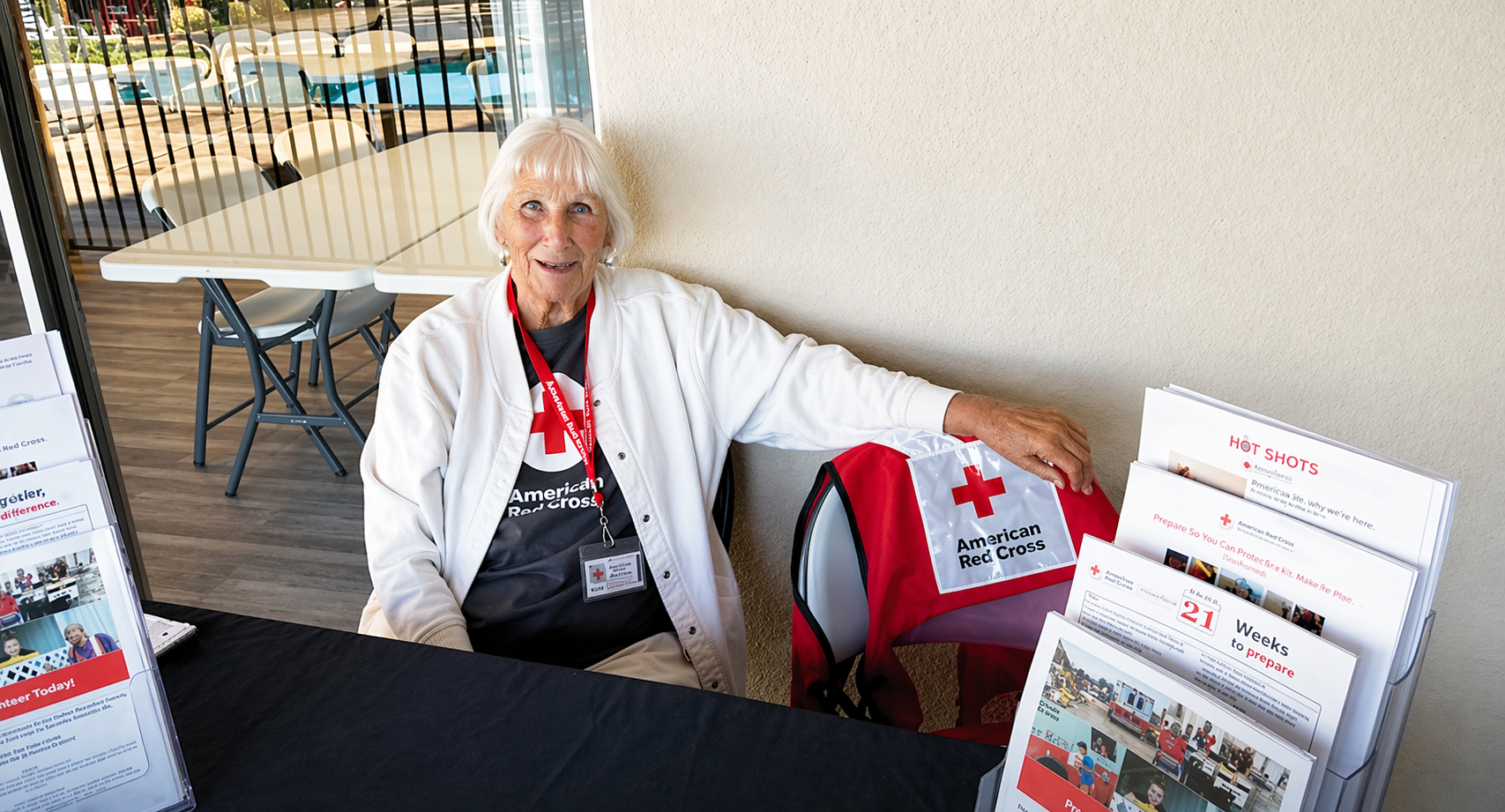
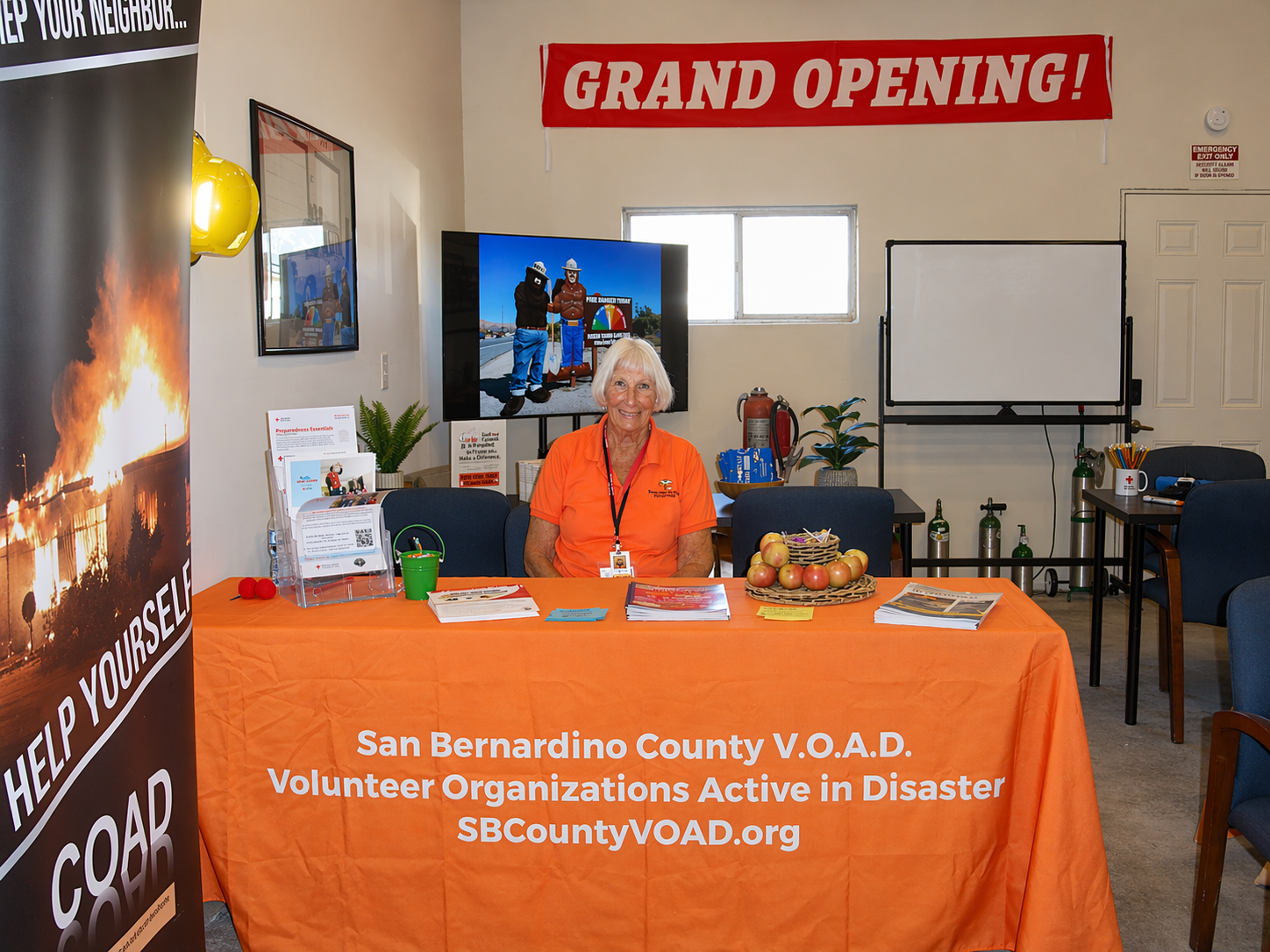
For years, she was a driving force behind the Morongo Basin COAD and a dedicated volunteer with the American Red Cross, helping shape a culture of readiness across Yucca Valley and the broader desert community. She believed that resilience wasn’t built in the moment of disaster, but long before it—through preparation, connection, and a willingness to step up.
If you spent any time with Marjorie, you likely heard her signature question:
“What’s under your bed?”
It wasn’t rhetorical. She expected an answer. Crowbar. Supplies. A plan.
And if you didn’t have one, she’d make sure you did.
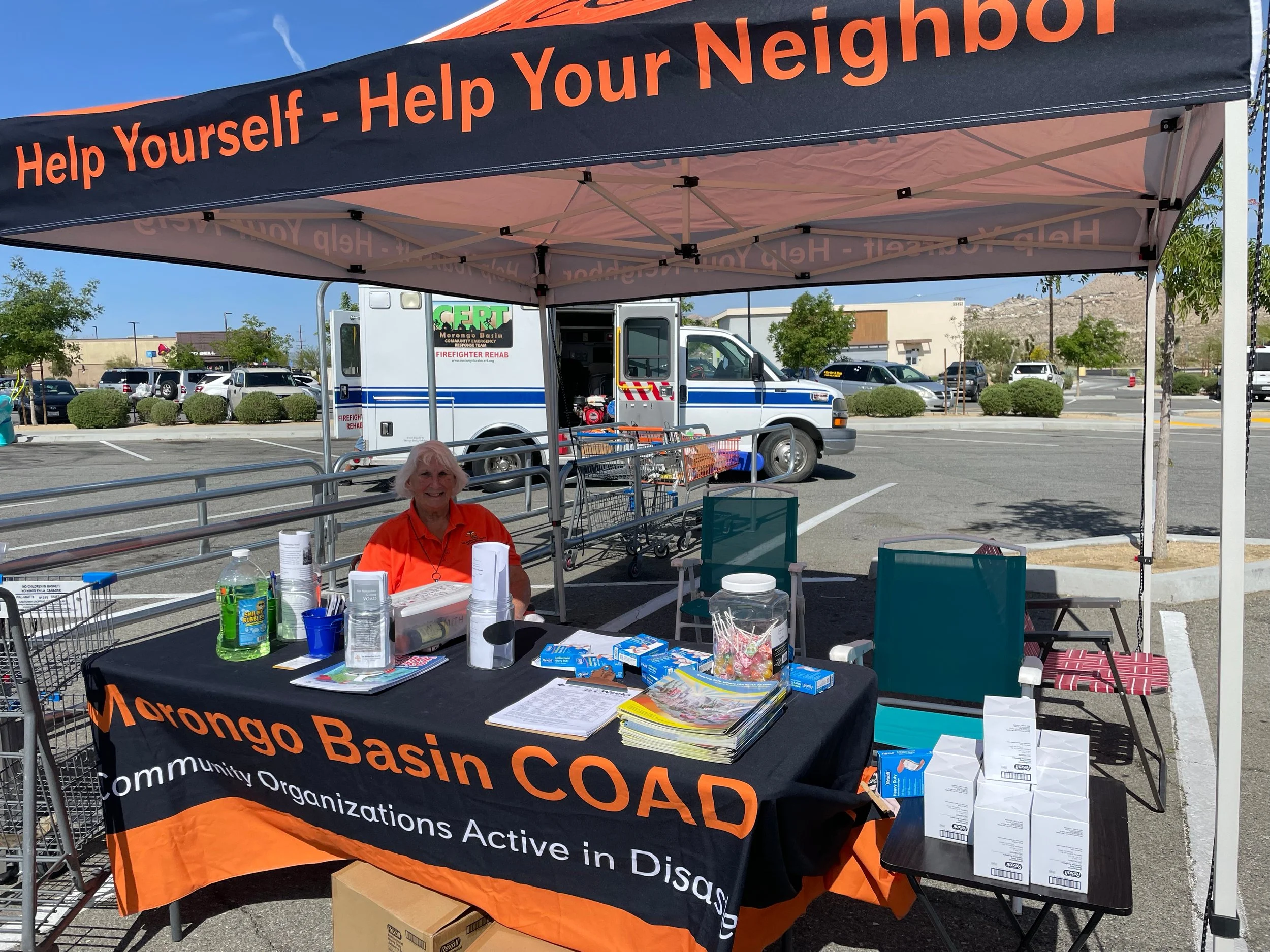
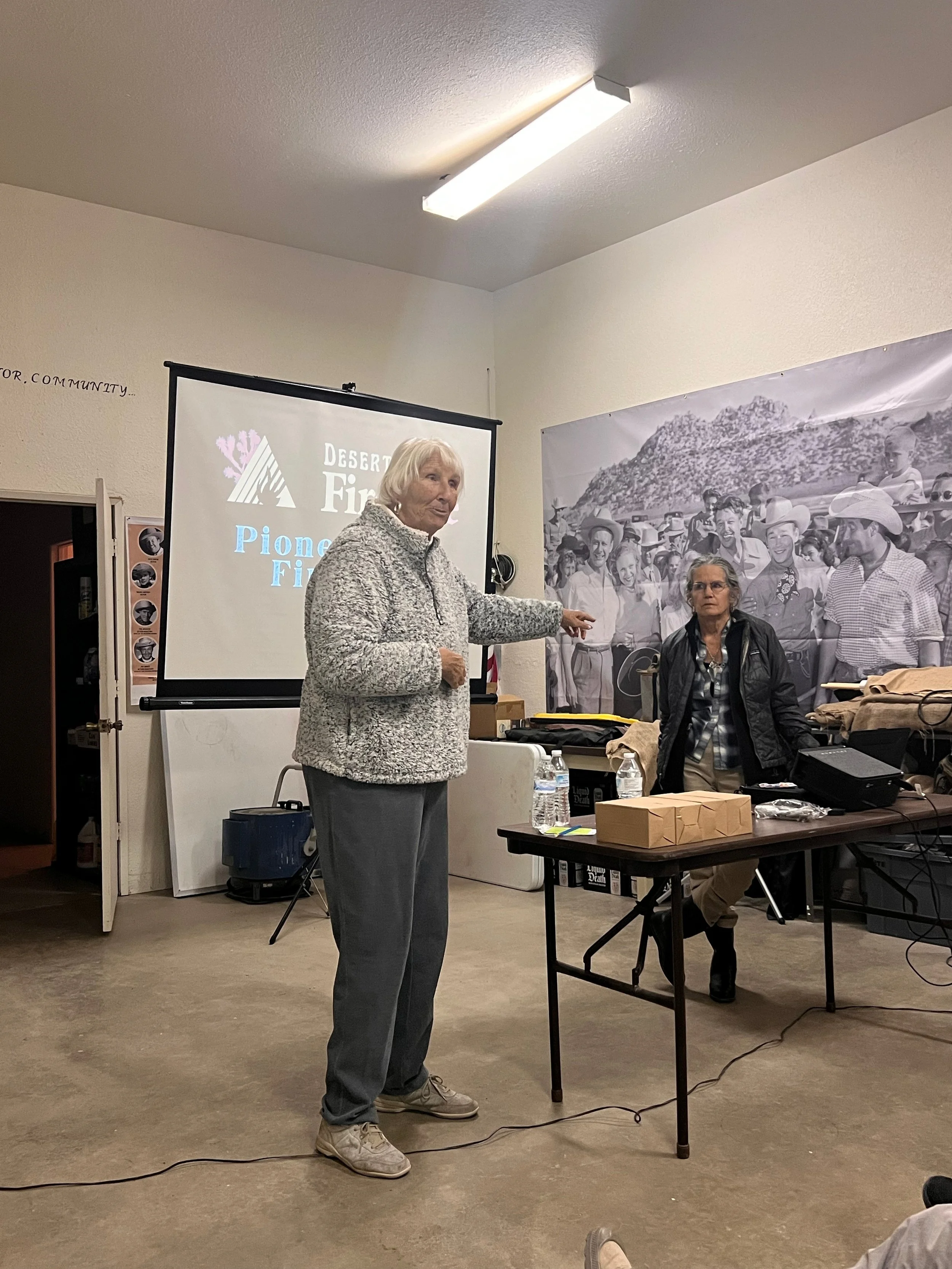
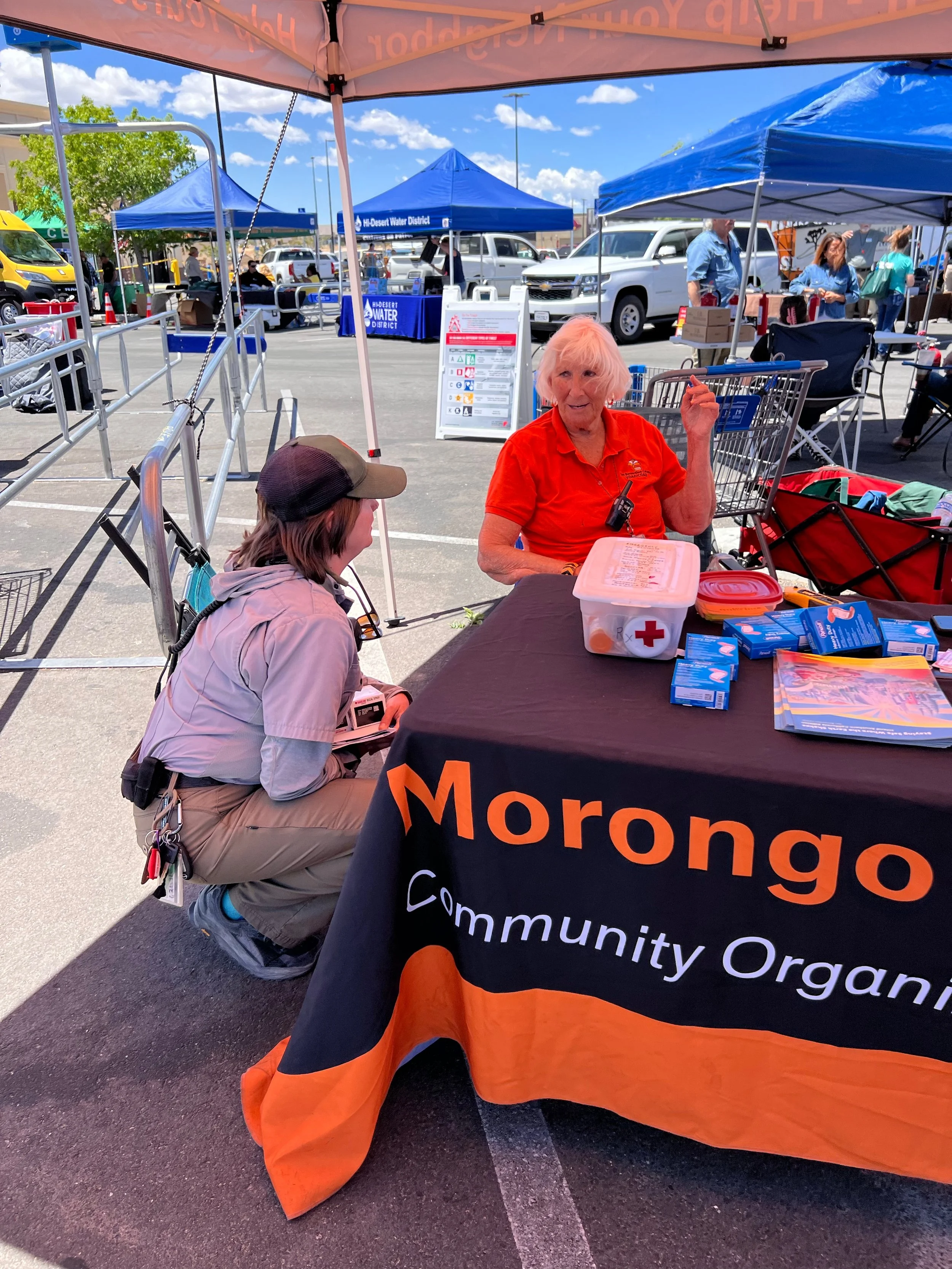
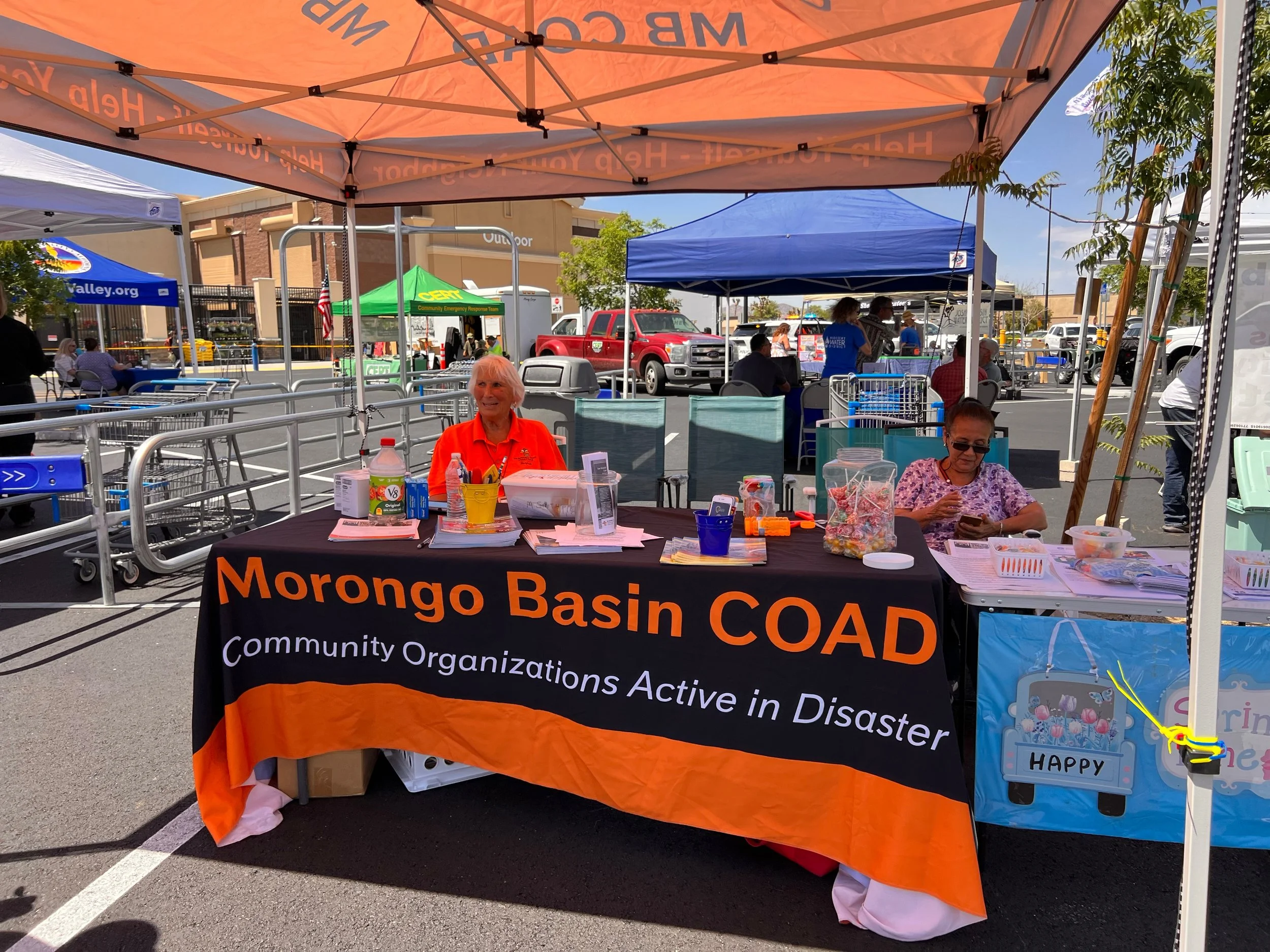
Nearing 90, Marjorie was still outworking people half her age. She could be found driving across the Morongo Basin in her COAD-branded van, showing up to events, organizing volunteers, and recruiting with a mix of sharp wit and unmistakable charm. She had the instincts of a seasoned recruiter—she knew how to read people, draw them in, and give them a sense of purpose.
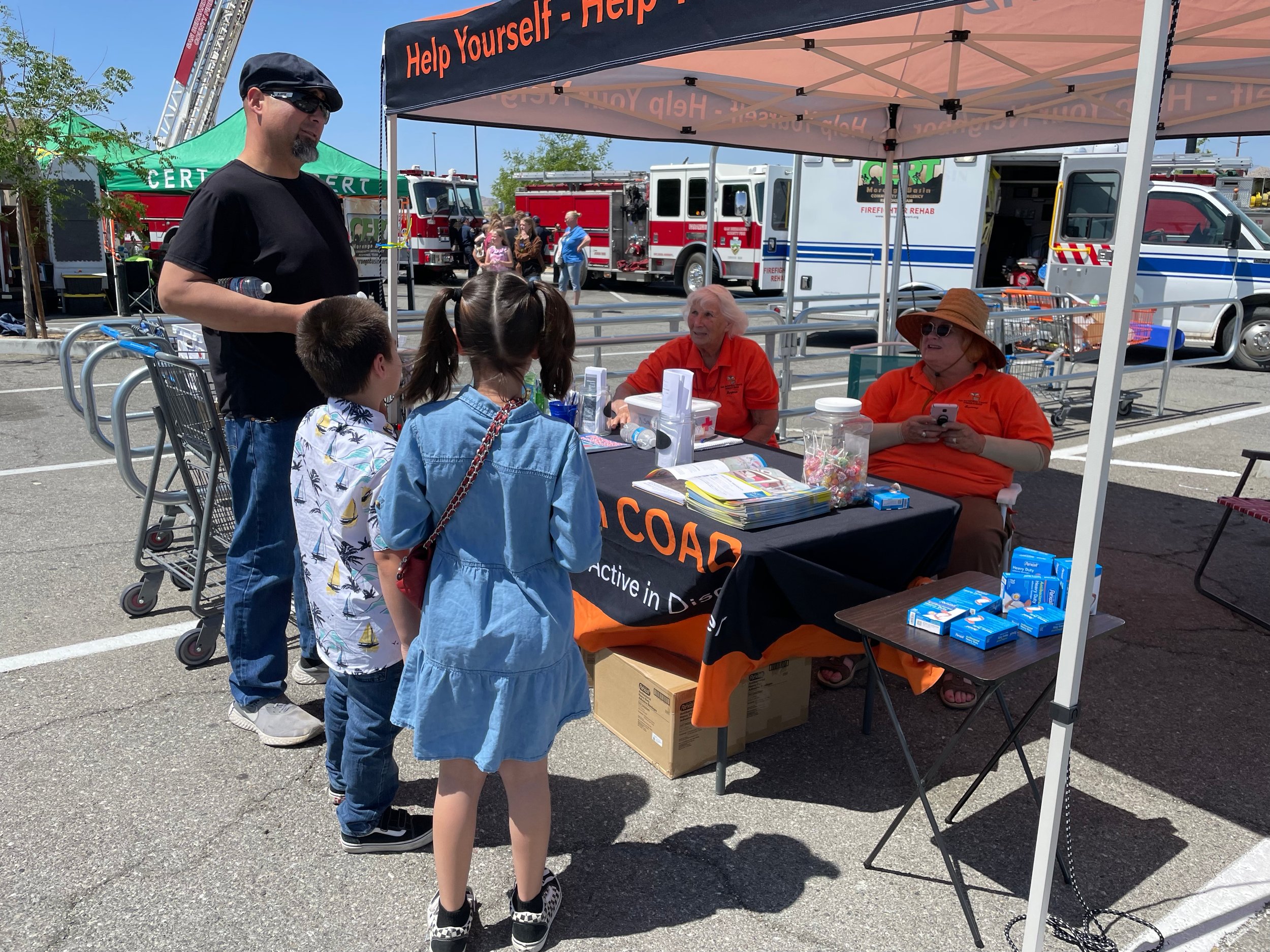
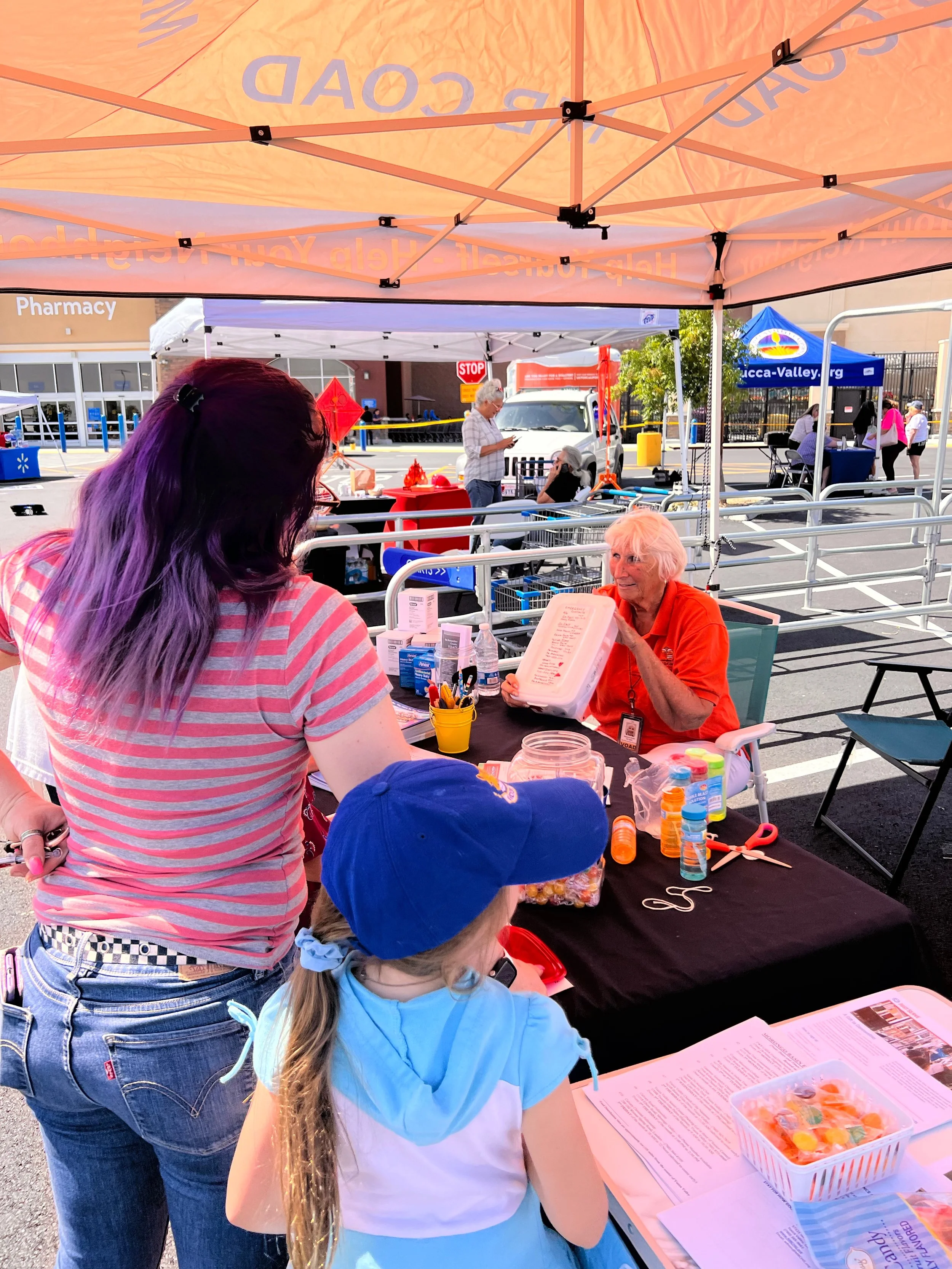
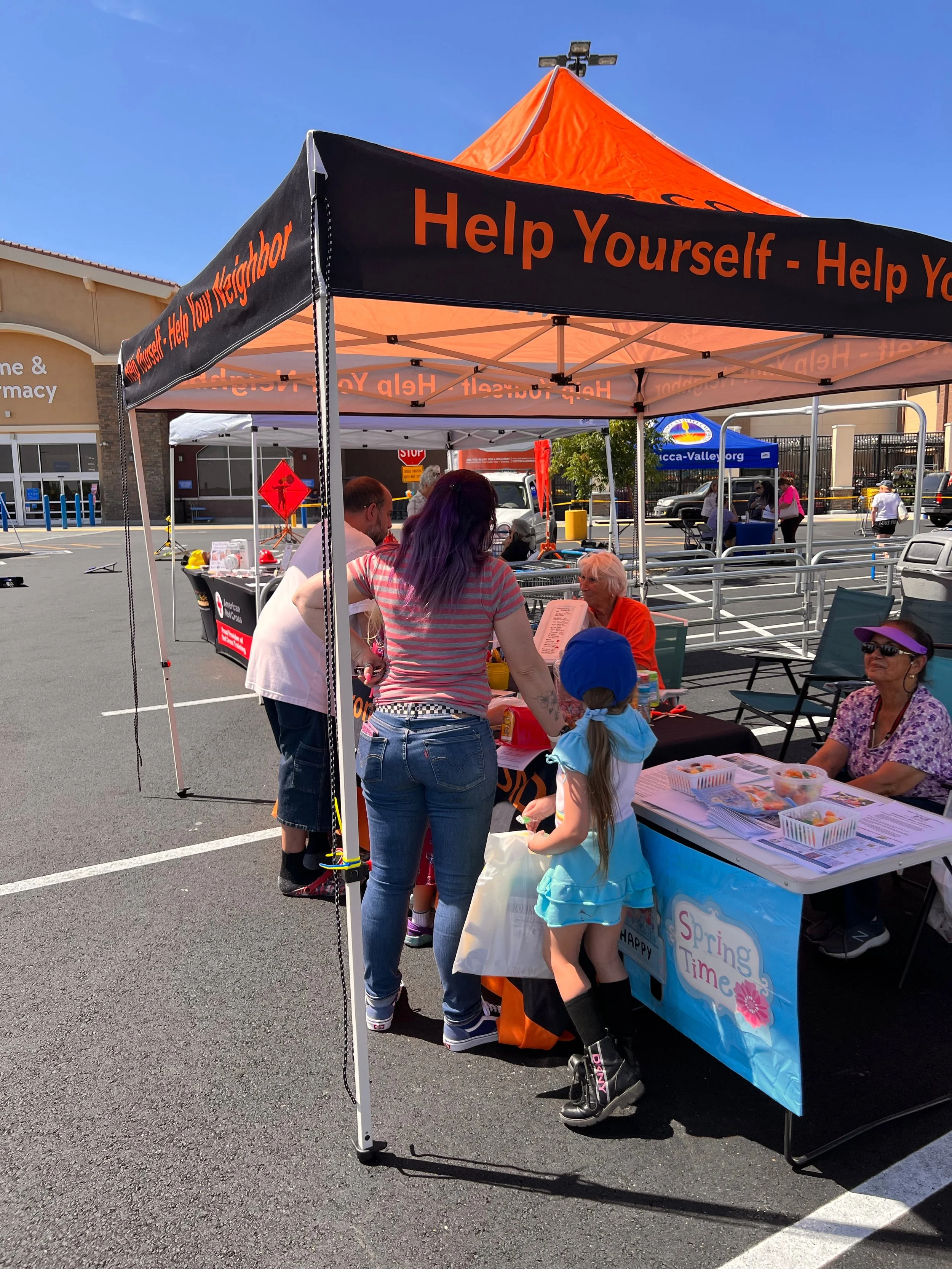
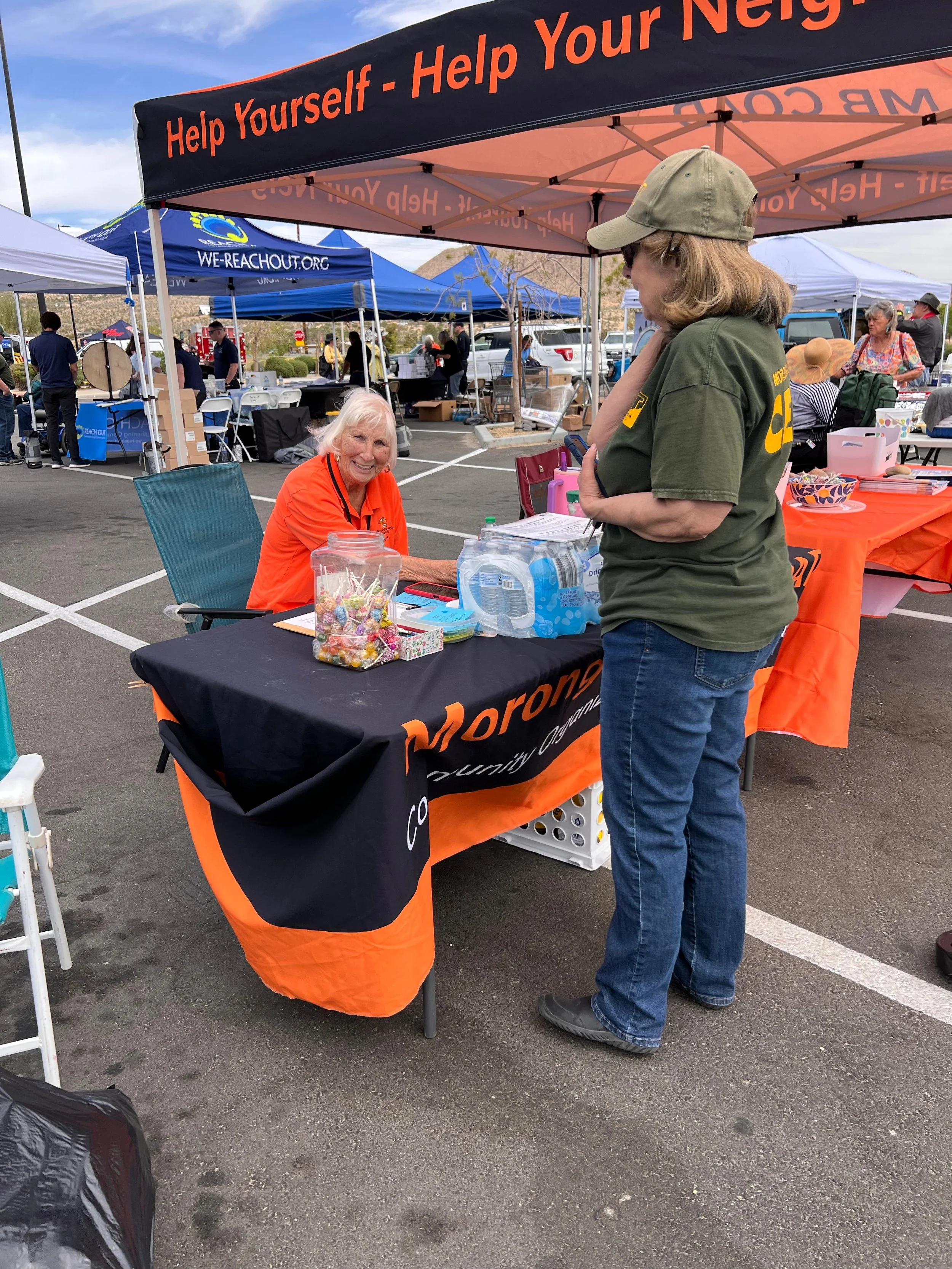
She didn’t just attend community events; she helped build them. Through the Morongo Basin COAD, she was instrumental in organizing major disaster preparedness expos in Yucca Valley, bringing together agencies, nonprofits, and residents under one roof with a simple goal: make the community stronger before the next emergency hits.
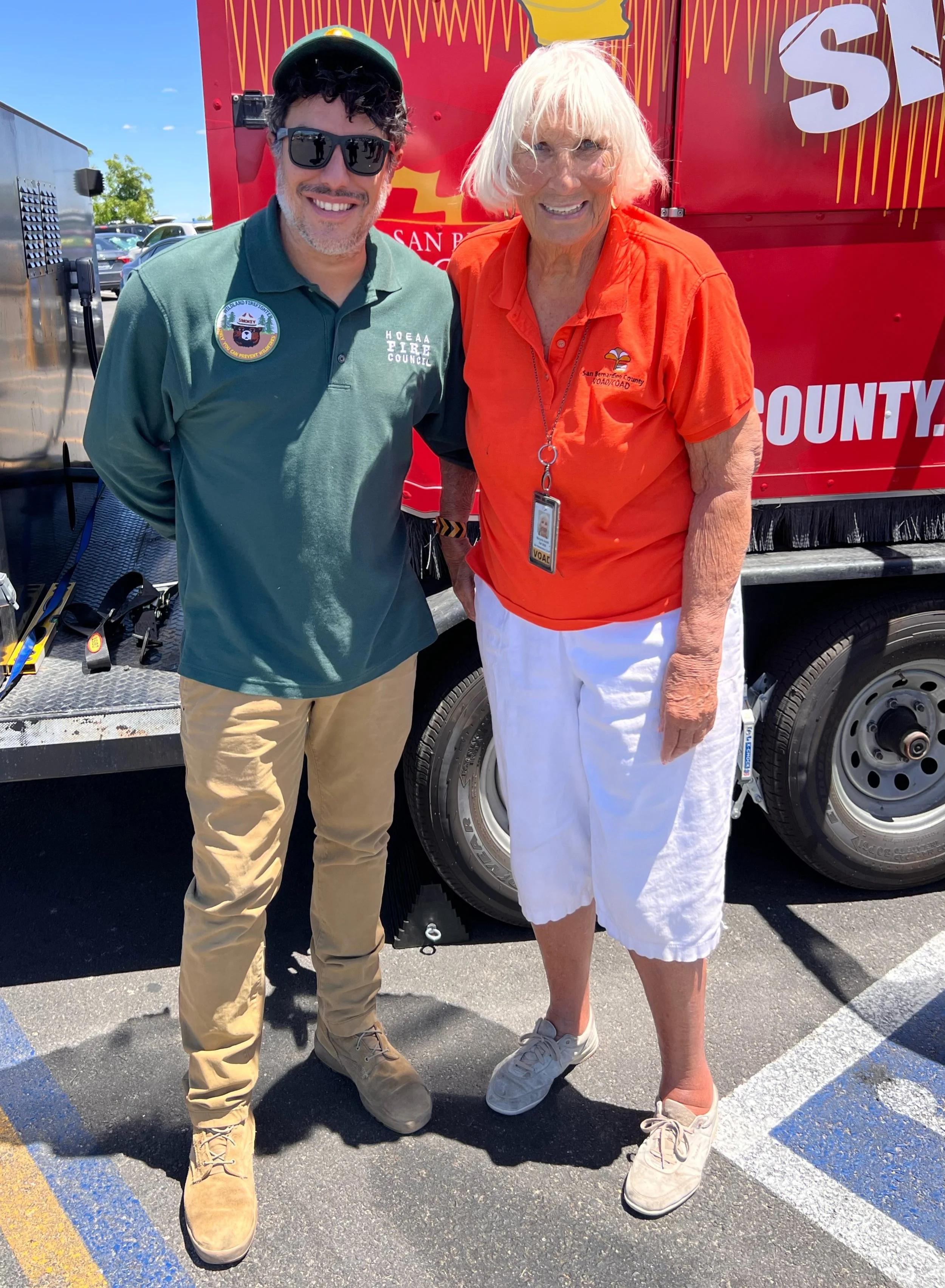
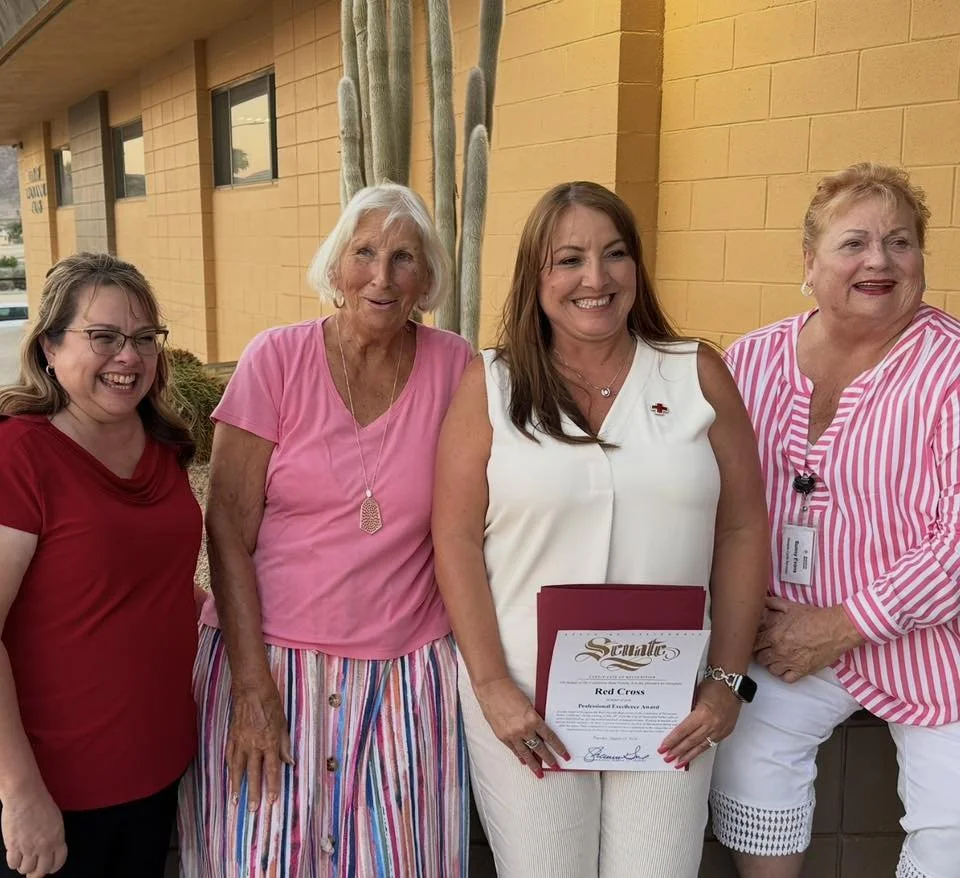
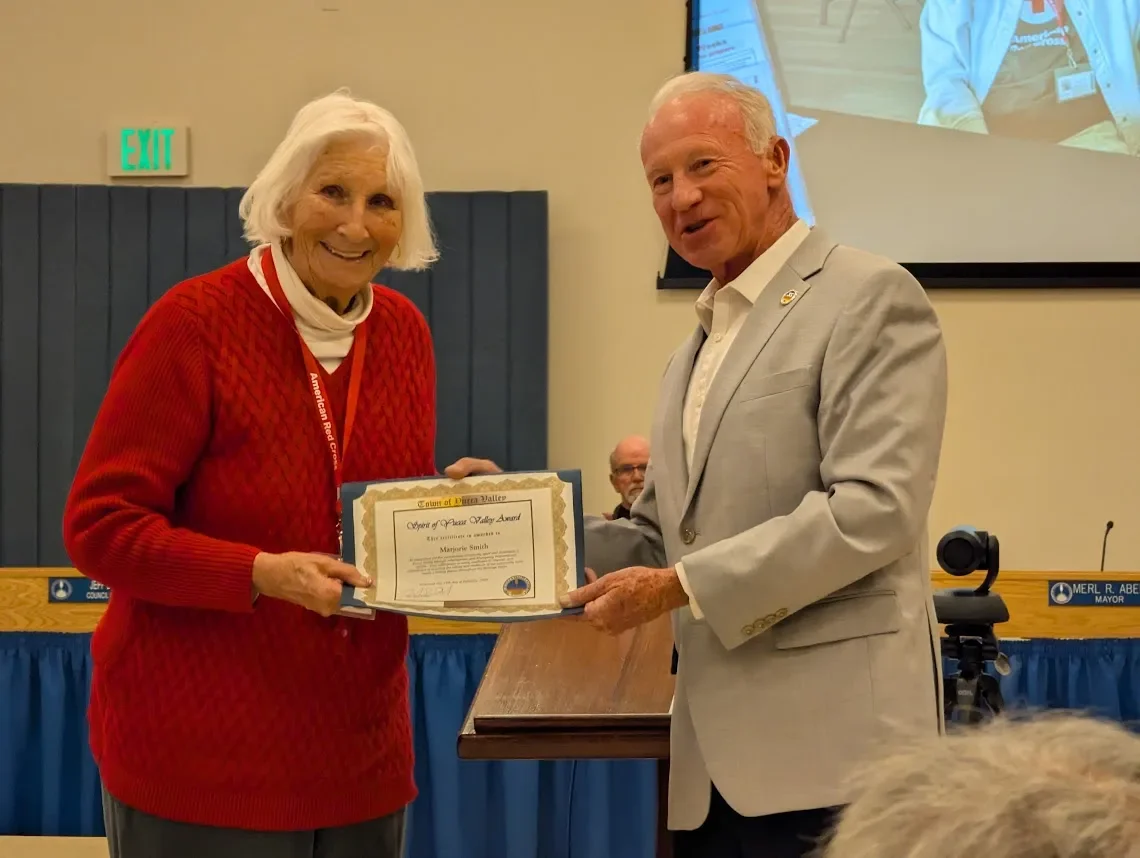
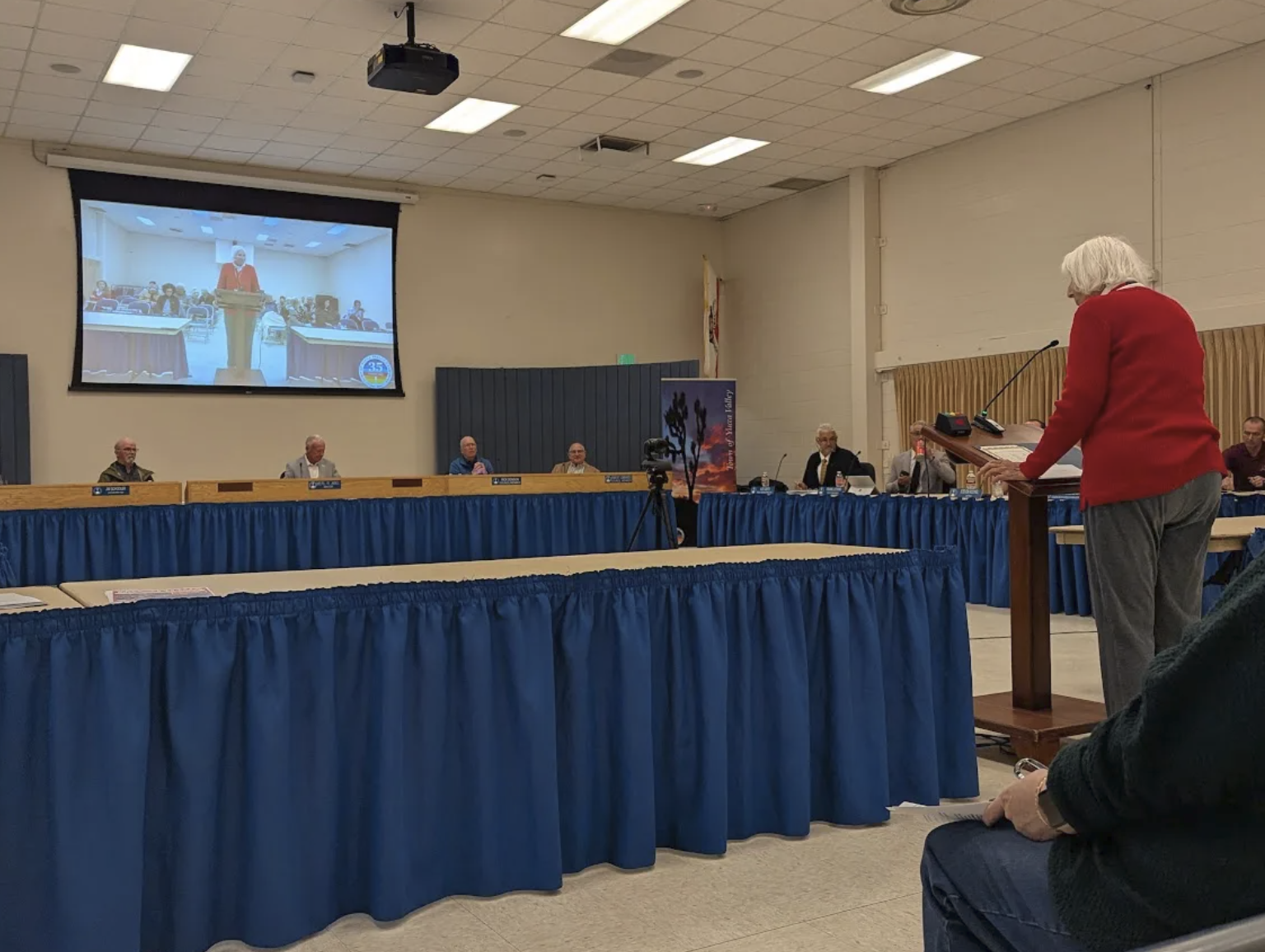
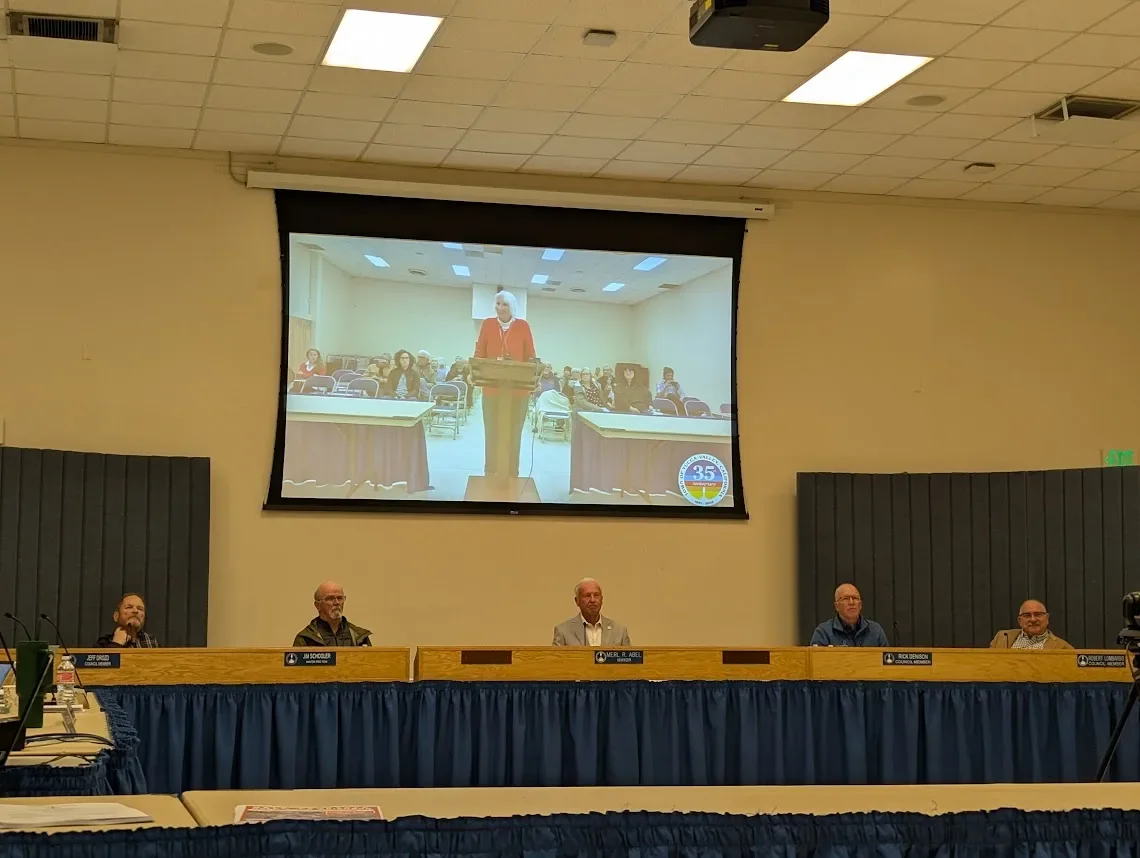
Her work did not go unnoticed. The Town of Yucca Valley just recently honored her with the Spirit of Yucca Valley Award, recognizing a lifetime of service that made a tangible difference in the lives of others.
But if you asked Marjorie, she likely would have brushed it off and redirected the conversation back to preparedness, volunteers, or whatever needed to be done next.
To many, she was a leader. To some, a mentor.
To me, she was both and a close friend.
We planned the last four ‘Help Yourself, Help Your Neighbor’ expos together, side by side. She brought experience, clarity, and a steady hand. I brought support where I could. She would often introduce me, with her signature humor and honesty, as her “Plan B”—a line that always got a laugh, but carried a quiet truth. She was thinking ahead, as she always did, making sure the work would continue.
And it will.
Marjorie leaves behind more than programs or events. She leaves behind a standard. A way of showing up. A reminder that preparedness is personal, and that community resilience depends on people willing to lead, to organize, and to care enough to ask hard questions—even something as simple as what’s under your bed.
The Morongo Basin is safer, stronger, and more connected because of her.
And those of us who worked alongside her will carry that forward.
With appreciation for a life well lived,
Justin Merino, VOAD Chair
“What’s under your bed?”
A little Marjorie-style reality check
If Marjorie were here, she wouldn’t want a long speech. She’d want you to go home tonight, get on your knees, look under your bed… and fix what’s missing.
Because when an earthquake hits at 2:17 AM, you’re not running to the garage. You’re not thinking clearly. You’re not grabbing the “perfect kit.”
You’re grabbing what’s within arm’s reach.
So here’s the deal:
What should actually be under your bed
1. Sturdy shoes
Broken glass is not theoretical. It’s guaranteed.
2. Flashlight (with batteries that actually work)
Not your phone. Your phone will be dead, missing, or somewhere else.
3. Crowbar (or pry bar)
Doors jam. Frames shift. You may need to force your way out—or in
4. Gloves
Basic work gloves. You may need to move debris or protect your hands.
5. Whistle
If you’re trapped or calling for help, your voice won’t last. A whistle will.
6. Basic first aid kit
Bandages, gauze, something to stop bleeding.
7. Dust mask or bandana
Air gets bad fast after a collapse. This buys you time.
8. Phone charger or small battery pack
If your phone survives, this matters.